In today’s rapidly evolving digital world, computer forensics plays a pivotal role in enhancing the security, efficiency, and reliability of modern technology. This field, which involves the systematic investigation of digital devices to uncover evidence of cybercrime, has far-reaching implications for individuals, businesses, and governments alike. The importance of computer forensics has grown as cyber threats become more sophisticated, highlighting its positive impact on technological advancement.
One of the leading institutions, Oxford, has been instrumental in fostering research and training in computer forensics, helping professionals tackle complex digital investigations. By integrating advanced forensic techniques into technology, organizations can prevent data breaches, detect fraud, and maintain the integrity of digital systems.
Key Benefits of Computer Forensics in Modern Technology
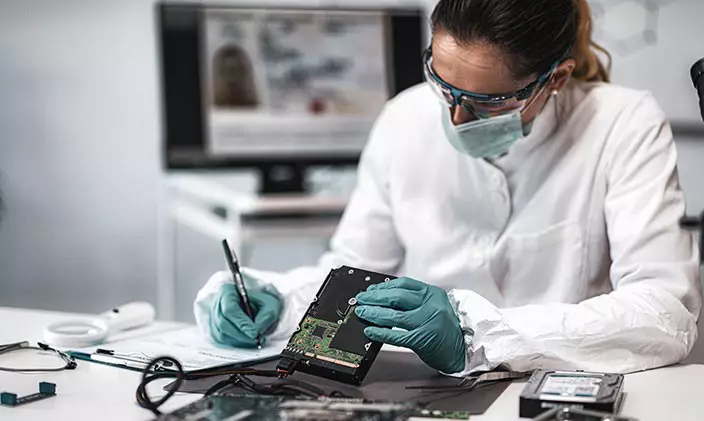
- Enhanced Cybersecurity: Computer forensics enables organizations to trace the origins of cyber-attacks, helping to develop stronger security protocols. By analyzing malware and suspicious activity, businesses can mitigate potential threats before they escalate.
- Data Recovery and Preservation: In cases of accidental data loss or system failure, forensic tools can recover critical information. This capability ensures business continuity and protects valuable digital assets.
- Fraud Detection and Prevention: Forensics helps uncover fraudulent activities in financial systems, online transactions, and corporate networks. By identifying anomalies and tracing digital footprints, organizations can take proactive measures against cybercrime.
- Legal and Regulatory Compliance: Many industries face strict compliance requirements for handling sensitive data. Computer forensics supports adherence to regulations by providing verifiable evidence of digital transactions and activities.
- Innovation in Technology Development: The insights gained from forensic investigations can guide software and hardware improvements. Understanding security vulnerabilities leads to the creation of more resilient and robust technological solutions.
Supporting Modern Digital Infrastructure
The integration of computer forensics into modern technology ensures that digital systems remain reliable and trustworthy. Organizations leveraging forensic expertise are better equipped to safeguard sensitive information, reduce downtime, and improve operational efficiency. From corporate environments to healthcare systems, forensic practices contribute significantly to the overall stability of digital infrastructure.
Moreover, as artificial intelligence and machine learning continue to evolve; forensic techniques are adapting to address new types of cyber threats. This synergy between technology and forensics fosters a safer digital ecosystem, enabling businesses and individuals to operate with confidence.
Conclusion
The positive impact of computer forensics on modern technology is undeniable. By enhancing cybersecurity, aiding in data recovery, detecting fraud, and supporting regulatory compliance, forensic practices are central to the safe and efficient operation of digital systems. Institutions have shown the value of integrating forensic knowledge with technological advancement, shaping a future where technology is not only innovative but also secure and reliable.